





Food & Beverage
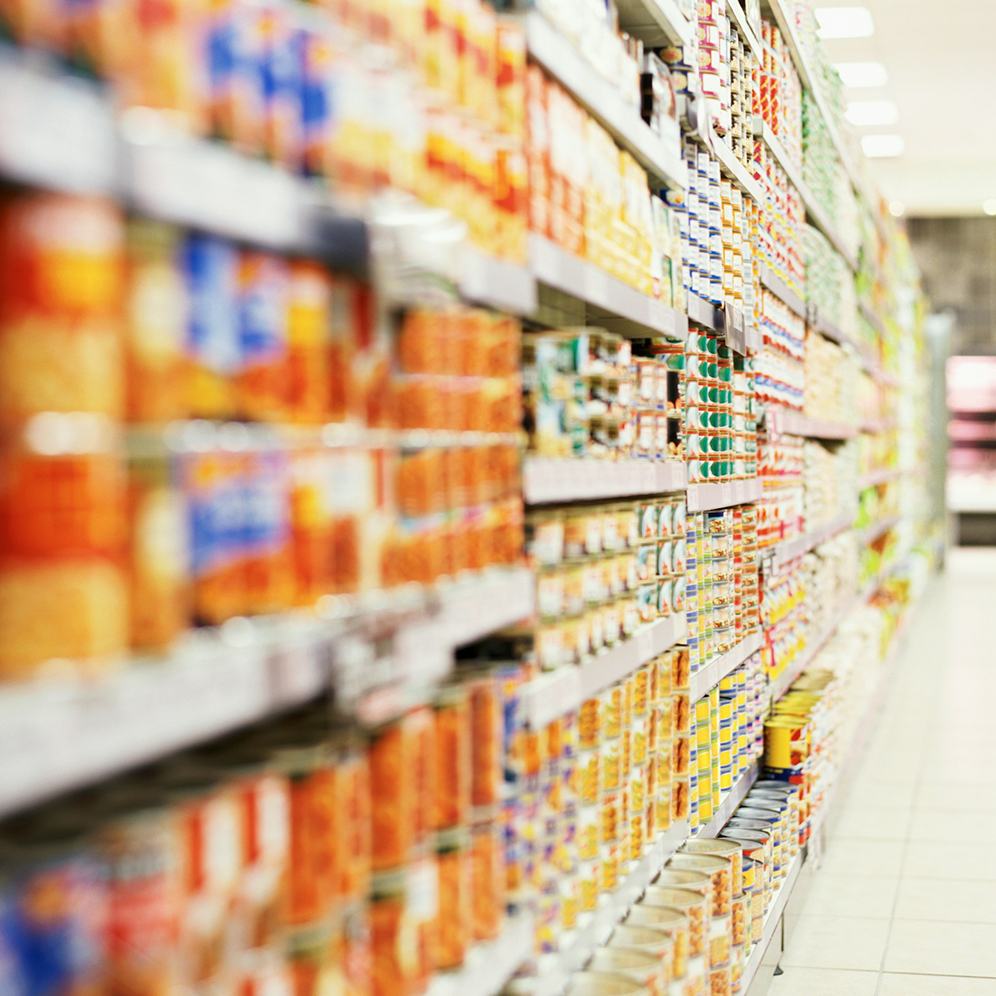
Plastic is one of the most visible materials in food and beverage packaging. We find it in water bottles, soft drink bottles, juice bottles, dairy packaging, food containers, caps, closures, jars, films and wraps. Its role is not only to hold a product. Plastic helps protect food and drinks from contamination, leakage, breakage and damage during transport. It can help products stay fresh for longer and make them easier to store, carry and use. Because it is lightweight, plastic can also make transport more efficient compared to heavier materials. This matters across the whole supply chain, from production and distribution to the final moment of consumption. In food and beverage, plastic supports safety, convenience and product protection — three things that are essential in everyday life.
Healthcare & Medicine
From smart warehouses to reinforced loading systems, we use resilient materials and technology built to perform under any condition — rain, heat, or heavy demand.In healthcare, plastic is often essential. It is used in syringes, tubing, IV bags, blood bags, medicine bottles, sterile packaging, diagnostic equipment, catheters, implants, laboratory containers and protective medical products. Plastic is important in medicine because it can be hygienic, sterile, lightweight, precise and safe for single-use or specialised applications. It helps protect patients and healthcare professionals by reducing contamination risks and allowing medical products to be produced, transported and used safely. Many medical products need materials that are reliable, clean, easy to sterilise and compatible with strict healthcare standards. Plastic makes many of these applications possible. In healthcare, plastic is not just about convenience. It supports safety, hygiene and modern medical care.
Transport & Mobility
Plastic is found throughout transport and mobility, even when we do not immediately see it. It is used in vehicle interiors, dashboards, bumpers, lights, cables, battery components, fluid containers, fuel-system parts, aircraft interiors, buses, trains, bicycles, helmets and child safety seats. One of plastic’s most important roles in transport is reducing weight. Lighter components can help improve efficiency, whether a vehicle runs on fuel or electricity. Plastic also supports safety, insulation, durability and design flexibility. In mobility, plastic helps vehicles and transport systems become lighter, safer and more efficient.
Technology & Electronics
Plastic is a core material in the technology we use every day. We find it in smartphones, laptops, chargers, cables, headphones, routers, televisions, remote controls, keyboards, computer parts and household appliances. In electronics, plastic is used because it can be lightweight, durable and easy to shape. It also provides insulation, helping protect both users and electronic components. Without plastic, many devices would be heavier, more fragile, more expensive or harder to produce at scale. In technology, plastic helps make modern devices safer, lighter, more accessible and easier to use.
Construction & Infrastructure
Plastic is also part of the built environment. It is used in pipes, insulation, cables, window frames, flooring, sealants, roofing membranes, drainage systems, water systems, protective films, paints and adhesives. In construction, plastic can provide durability, water resistance, corrosion resistance, insulation and protection. It can help buildings perform better, support energy efficiency and protect essential systems such as water, electricity and drainage. Many plastic materials are also easier to transport and install because they are lighter than traditional alternatives. In construction and infrastructure, plastic helps protect buildings, move water and energy, and support long-lasting systems.
Agriculture & Crop Protection
Plastic is used in agriculture long before food reaches the supermarket. It can be found in irrigation systems, greenhouse films, crop-protection packaging, fertiliser containers, seed trays, storage containers, silage films, agricultural pipes and protective covers. Plastic helps farmers protect crops, manage water, store products and transport agricultural inputs safely. It can also support more controlled growing conditions, helping protect plants from weather, pests or contamination. In agriculture, plastic contributes to food production by helping crops grow, move and reach consumers more safely.
Industry, Chemicals, Oils & Lubricants
Plastic is also important in industrial and professional applications. It is used in jerry cans, drums, pails, chemical containers, lubricant bottles, dosing systems, caps, closures and storage containers. These products often need packaging that is strong, resistant and reliable. Plastic can safely contain demanding liquids and materials, support accurate dosing and make transport and storage easier. In industrial use, packaging is not only about convenience. It is about safety, performance and protection across the supply chain. In industry, chemicals, oils and lubricants, plastic helps products move safely from production to professional use
Space Travel & Innovation
Plastic also plays a role in some of the most demanding technological environments. High-performance plastics and plastic-based composite materials can be used in rocket and satellite components, insulation, seals, protective films, lightweight structures and astronaut food packaging. In space applications, reducing weight is critical. Materials also need to protect sensitive systems and perform reliably under highly demanding conditions. Plastic can combine low weight, protection, insulation and resistance in ways that support advanced engineering and innovation. Space travel is an extreme example of a broader principle: materials are chosen for the specific performance they can deliver.